GLENFIDDICH
TIME RE: IMAGINED
LOUIS VUITTON
SAVOIRE FAIRE
NETFLIX
THE CROWN PREMIERE
MICHAEL KORS
JET SET SANYA
MICHAEL KORS
JET SET SANYA
MOËT & CHANDON
NBA X JUST DON
MOËT & CHANDON
NYC HOLIDAY
ROLLS-ROYCE
GOODWOOD FESTIVAL OF SPEED
THE SERPENTINE
THE SERPENTINE SUMMER PARTY
Luxury brands have historically extended their meaning beyond material goods, functioning as markers of social belonging, symbolic signaling and cultural authority. But in today’s fragmented media landscape the traditional gatekeepers - fashion editors, glossy magazines, celebrity endorsements etc no longer hold exclusive control over what feels aspirational. Instead, a new force is shaping luxury brand perception - very important communities.
These communities are not just VIP lists or loyalty programs. They are tightly knit, values-driven networks of tastemakers, creators, collectors, founders and cultural operators who actively shape taste from the inside out - acting as decentralised curators of the culturally relevant.
For luxury brands, this shift represents both an opportunity and a challenge. Prestige is no longer simply broadcast, it is co-created.
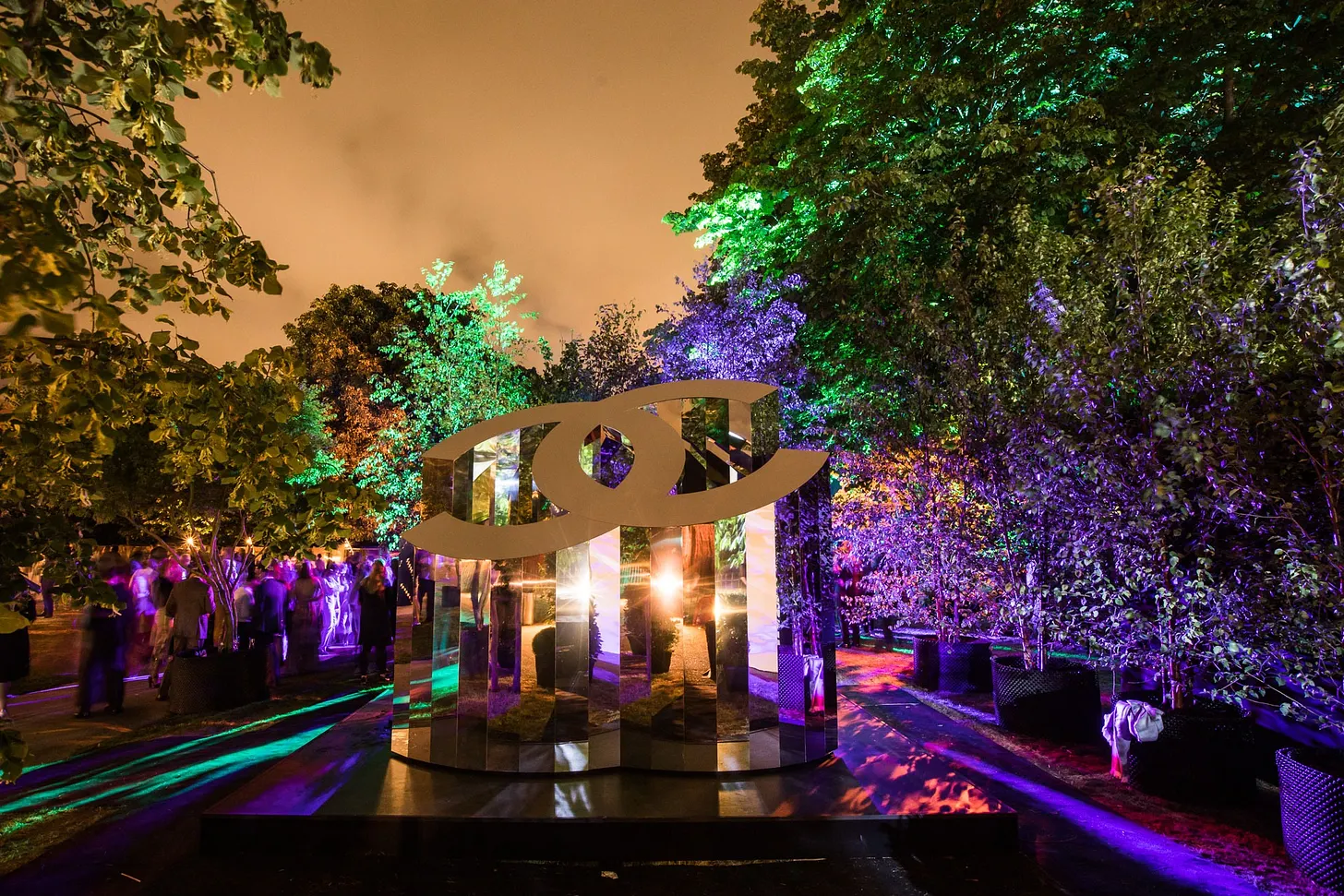
Chanel @ The Serpentine Summer Party | INCA Productions
From audience to tastemakers
The most powerful change is psychological. Communities have moved from passive consumption to active cultural participation. Members are not just wearing the brand they are interpreting it, remixing it and embedding it into their own narratives. This is why very important communities carry disproportionate influence. Their approval doesn’t feel like marketing - it feels like discovery.
When a respected micro-community adopts a brand, it sends a strong signal: this is not mass appeal, this is insider knowledge.
Miu Miu’s community is disproportionate; made up of editors, stylists and Gen Z’ creatives. They may be small in number but they are dominant in visual culture and trend origination. Their community led with deliberately imperfect styling, thrifted, layered and personal which in term led to looks on TikTok becoming identity signals - Their micro-skirt revival was a community-led reframing of femininity and power.
Shared values build brand credibility
What distinguishes powerful communities from traditional influencer networks is value alignment. When a brand resonates with a community’s shared values, advocacy becomes organic. Members defend the brand, contextualise its heritage, and amplify its narrative across platforms. This peer-to-peer endorsement is far more trusted than paid promotion. It transforms brands from external entities into cultural participants.
The Rick Owens community narrates Rick as philosophy. This VIC is made up of queer communities, underground creatives and performance artists who are shaping aesthetics far beyond fashion with their clothes functioning as ritual wear and ideology. The community does the myth making and their belief systems outperform traditional branding. Their social content is raw and deeply personal.
Authority comes from participation, not control
One of the biggest mistakes luxury brands make is attempting to control the narrative too tightly. Communities reject overly polished messaging. They value transparency, creative risk, and authenticity. Brands that allow their communities to re-shape storytelling through user-generated content, collaborative design, or shared event experiences gain credibility. They show confidence by letting go of rigid top-down branding. This openness signals cultural fluency and emotional intelligence.
Comme des Garçons is a great example of a brand that hasn’t been “marketed” in the conventional sense for decades. Its cultural power sits almost entirely in audience-led interpretation. Their community wears their pieces incorrectly, repeatedly, obsessively, they use CDG as a visual language for identity, intellect, resistance and because of this their community feels earned, not engineered. Follower accounts are run like museums, posts from their community include personal essays so there’s little need for brand messaging and campaign explanation direct from the brand.
The future of luxury is networked
As luxury becomes increasingly experiential and community-driven, the role of very important communities will only grow stronger. They are not a trend - they are infrastructure. They shape early adoption and validate innovation. They protect cultural relevance yet most importantly, they humanise brands in an era where authenticity is currency.
Martine Rose’s creative process is porous; she invites her audience in with community-cast shows and collaborators who shape the soundtrack and setting. Her runway reflects lived experience rather than aspirational fantasy which her community recognises in the output and defends culturally.
For luxury leaders, the question is no longer whether to engage with communities. It is how deeply they are willing to integrate them into their strategy.
Because in the new luxury economy, prestige is not built by shouting louder. It is built by being invited into the room where culture is quietly being defined. And those rooms are increasingly run by communities, not corporations.


