GLENFIDDICH
TIME RE: IMAGINED
LOUIS VUITTON
SAVOIRE FAIRE
NETFLIX
THE CROWN PREMIERE
MICHAEL KORS
JET SET SANYA
MICHAEL KORS
JET SET SANYA
MOËT & CHANDON
NBA X JUST DON
MOËT & CHANDON
NYC HOLIDAY
ROLLS-ROYCE
GOODWOOD FESTIVAL OF SPEED
THE SERPENTINE
THE SERPENTINE SUMMER PARTY
Over the past decade flagship premium events have followed one simple rule, create an unmissable experience and then replicate it across key global regions. With the creativity often originating in London or New York the event then tours into Singapore, Dubai, Beijing and beyond with the overly simplistic confidence that great creativity translates seamlessly across borders and cultures.
Premium brands are discovering an uncomfortable truth: event consistency is not the same as cultural relevance. Global audiences may be more connected than ever before, but they remain deeply rooted in their local culture and behaviours. The event ideas don’t necessarily have to dramatically change in every new location, instead they need to subtly evolve and adapt to local culture and behaviours. With this strategic culture-first thinking, the premium events that truly resonate aren’t those that easily travel well, they’re the ones that feel like they truly belong.
“We have to share the thought process and inspirations with the community we’re trying to build.” (Artwork collaboration with Emirati artist Shaikha Al Mazrou)
Sandra Choi, Creative Director, Jimmy Choo,
The National For event agencies, this thinking represents one of the biggest immediate shifts in agency strategy and creative briefing. Success should no longer be measured by how efficiently a concept can be replicated, it should be measured by how intelligently it can be reimagined for every global touch point.
Embracing cultural depth.
To someone from London or New York Dubai can appear to be the ultimate international city, a global hub where East and West blend perfectly together. Yet behind Dubai’s cosmopolitan skyline there is a highly nuanced cultural landscape, one with a diverse population, strong local traditions, regional expectations, and deep religious considerations. Every event touchpoint from installation design, event programming, hospitality and timing carries cultural significance. Event agencies have to remember that whether you are activating in Riyadh, Seoul, São Paulo or Tokyo, every market brings its own expectations, values and emotional triggers.
“When we enter a market, it’s because we believe we can create something that feels locally grounded and globally relevant.”
Omer Acar, CEO, Raffles & Fairmont Hotels, Haute Living 2025 Getting these details right creates emotional connections, getting them wrong creates distance and brand apathy. This in-depth cultural first approach shouldn’t be viewed as avoiding mistakes, it should be seen as unlocking brand opportunities. Event teams need to learn to ask different questions: what matters most to this audience? What symbols carry strong meaning? What experiences feel authentic rather than imported?
“This (Ouyang Nana) collab illustrates the commercial power of locally relevant cultural voices, although the product was not a co-designed collaboration. It is also more of a contemporary fashion example than a traditional luxury case study.”
Réalisation Par, China, Vogue Business 2025 The age of cultural interpreters.
This local-first approach creates an exciting challenge for event agencies. Instead of acting solely as production partners, they should see themselves as cultural interpreters, bridging premium brand ambitions with local audience insights. Creative strategy should now extend beyond visual identity and production design, and demonstrate its genuine cultural awareness. To truly resonate with global audiences agencies need to invest as heavily in cultural intelligence as they do creative excellence, because cultural authenticity is the new competitive advantage.
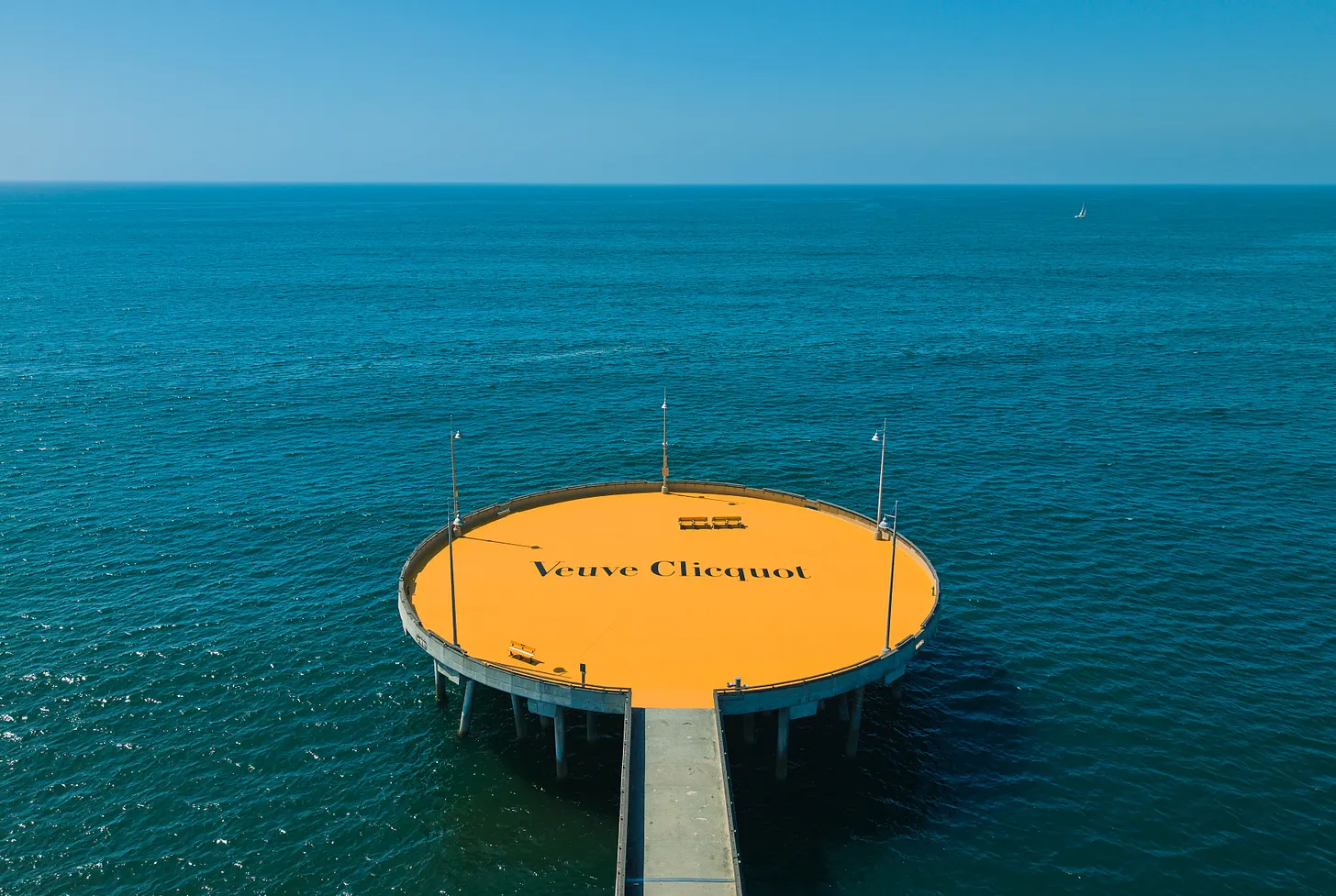
Veuve Clicquot | Club Solaire


