GLENFIDDICH
TIME RE: IMAGINED
LOUIS VUITTON
SAVOIRE FAIRE
NETFLIX
THE CROWN PREMIERE
MICHAEL KORS
JET SET SANYA
MICHAEL KORS
JET SET SANYA
MOËT & CHANDON
NBA X JUST DON
MOËT & CHANDON
NYC HOLIDAY
ROLLS-ROYCE
GOODWOOD FESTIVAL OF SPEED
THE SERPENTINE
THE SERPENTINE SUMMER PARTY
For decades premium festival moments like the Cannes Film Festival and Royal Ascot have occupied a near-sacred place in the luxury event & marketing calendar. Brand attendance signalled status, event presence implied influence, and the return on investment was rarely questioned.
Today, that simplistic ROI approach looks far less persuasive.
As luxury brands enter a more disciplined era of spending, premium marketing budgets are no longer judged solely on prestige; they are increasingly measured against targeted-reach and strategic commercial impact. And this shift raises an uncomfortable question: do legacy summer events still generate meaningful value, or are brands paying ever-higher costs to maintain the appearance of cultural importance?
In context the global luxury sector is navigating one of its most challenging periods in over a decade. Global management consulting firm Bain & Company estimates that the personal luxury goods market declined by around 2% in 2025. Alarmingly the number of luxury consumers globally has fallen from around 400 million in 2022 to approximately 340 million in 2025.
Against this shift, the economics of the traditional summer circuit are becoming harder to ignore, yet culturally-fueled strategists are seeing new opportunities. The fundamental issue is that brand-visibility no longer works the way it did ten years ago.

Veuve Clicquot | Club Solaire
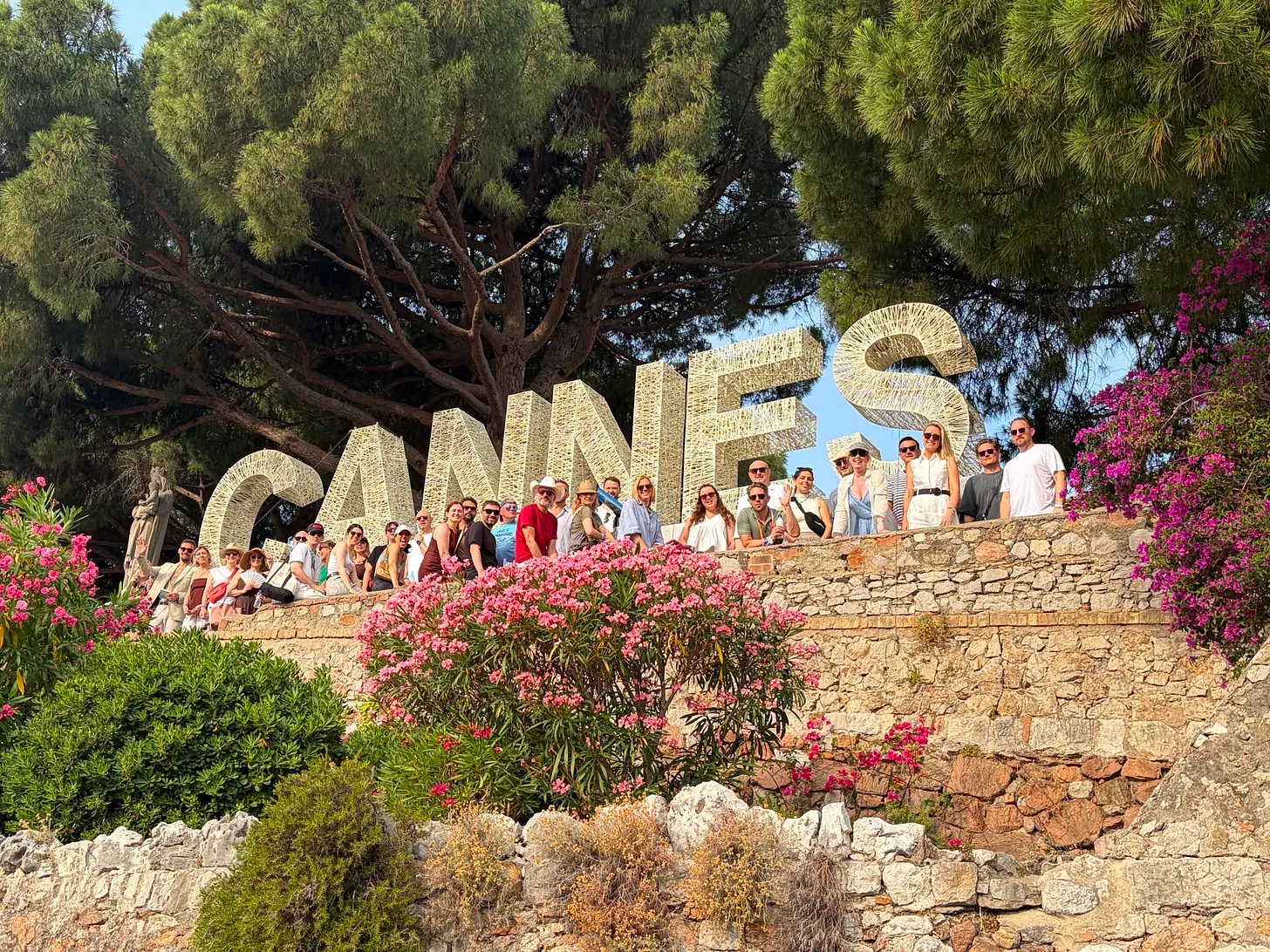
Historically, a red-carpet appearance at Cannes guaranteed global press coverage. Yet for too long, luxury has confused visibility with influence - being photographed isn’t the same as being culturally relevant. Today, brands compete not only with one another but with an endless stream of creator content, social platforms and cultural moments that emerge organically online.
“The most powerful luxury brands don’t follow culture. They help shape it.”
Angela Ahrendts, CEO Burberry
“Cannes generated over $1 billion in Media Impact Value (MIV) last year outperforming the combined visibility of the four major fashion weeks combined. And yet the industry’s leading measurement firm cautions that MIV and brand equity are not the same thing. That gap, between what an event generates and what it builds, may be the most important conversation luxury marketing has yet to have.”WWD, May 2026
Veuve Clicquot | Club Solaire
The attention economy has become decentralised
That doesn’t mean Cannes, Ascot or similar events have become irrelevant. The luxury sector still thrives on aspiration, symbolism and storytelling. Luxury consumption continues to be driven by powerful emotional factors including status, identity and self-reward - but the role of these events is changing.
“Visibility is not impact, being seen is different from being remembered.”
Bozoma Saint John, CMO, Netflix & Endeavor
Luxury consumers are demonstrating a growing preference for experiences over possessions. Research identifies experiential luxury as one of the strongest-performing segments of the market, with spending increasingly flowing toward hospitality, dining and exclusive experiences rather than traditional brand events alone. That trend suggests the future may belong not to the traditional red-carpet spectacle, but to more curated, immersive and measurable experiences. We are already seeing evidence of this shift through carefully brand curated invitation-only retreats and highly personalised brand activations designed for a smaller but more valuable audience.
The larger strategic question is whether luxury brands should continue participating in the “summer season” because it delivers ‘measurable prestige’, or because leaving would be interpreted as a loss of brand status. These are very different motivations, and ones that have to be strategically evaluated and interpreted. The prestige of Cannes and Royal Ascot remains undeniable, the question is whether prestige, by itself, is still worth the price of admission.
For luxury marketers, that may become one of the defining debates of the next decade.


